
Sin categoría
Compare casino games by gameplay, pace, and potential payouts
Casino games can look similar at a glance, yet their rules, round length, and payout patterns create very different playing experiences. Comparing these features helps you choose an option that suits your preferences and budget, whether you enjoy making strategic decisions, watching quick outcomes, or following a longer game. This guide explains how slots, table games, and live dealer options differ, what potential payouts do and do not tell you, and how to assess game information responsibly before deciding where to play, with https://crazybirdstories.com/shop/ offering a separate example of how online platforms present their content and services.
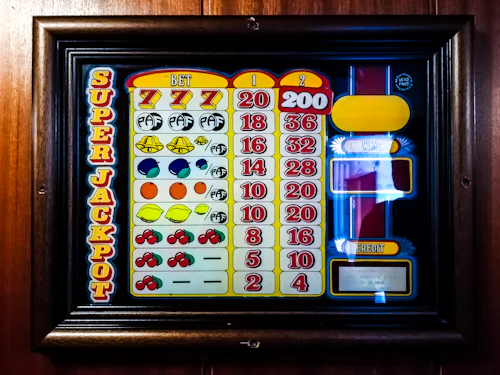
A practical look at casino games, play styles, and payouts
Start by separating three ideas: gameplay describes what you do, pace describes how quickly rounds unfold, and potential payouts describe possible outcomes rather than promised results. A slot usually resolves a spin in seconds, while a hand of blackjack or a round of roulette involves choices, bets, or a sequence of events. Poker can take longer still, especially when players make decisions in turns. These distinctions matter because a faster game may use a session budget more quickly, while a slower game can involve more time spent considering each decision.
Game information can also help set realistic expectations. Slots may display a return-to-player percentage, commonly called RTP, which estimates the share of wagers a game could return over a very large number of plays. It is not a prediction for an individual session. Table games use rules and paytables that affect outcomes, and live dealer games add a streamed, human-led format without changing the need to understand the underlying rules. Before playing, check the paytable, minimum and maximum bet, rules, and any stated limits. No game guarantees a payout, and results remain uncertain.
How to compare games before you play
Use a simple comparison process instead of choosing based only on a headline payout or a dramatic feature. First decide what kind of interaction you want: mostly automated play, frequent choices, or a live presentation. Then consider how quickly you want rounds to resolve and how much time you intend to spend. The steps below can help narrow your options while keeping costs and uncertainty in view.
- Set a session budget: Choose an amount you can afford to lose, and do not treat it as money you expect to win back.
- Pick a preferred format: Decide whether slots, table games, poker, or live dealer play best matches your interest in interaction and pace.
- Read the rules and paytable: Check how outcomes are determined, which bets are available, and what conditions apply to payouts.
- Check the bet range: Confirm that the minimum stake fits your budget and that the maximum does not encourage larger wagers than planned.
- Try a low-pressure session: If a free-play option is available, use it to learn the controls and rules before considering real-money play.
- Compare round speed as well as the time needed to make decisions.
- Look for clearly displayed rules, bet limits, and payout conditions.
- Treat RTP and maximum-payout figures as information, not forecasts.
- Take a break if play stops feeling enjoyable or controlled.
Gameplay, speed, and payout differences in practice
Slots typically offer the simplest mechanics: select a stake, spin, and review the result. Their pace can be very fast, particularly when spins are automated, so it is useful to set a limit on both time and spending. Features such as bonus rounds, free spins, or expanding symbols can make a game more varied, but they do not ensure a win. Volatility is another useful term: higher-volatility games may produce less frequent wins with a wider range of outcomes, while lower-volatility games may have more frequent, smaller results. Neither pattern guarantees a particular experience in a short session.
Table games vary more according to player choices and house rules. In blackjack, players decide whether to hit, stand, or take other permitted actions, and the exact rules can affect the house edge. Roulette offers a clear distinction between outside bets, which cover broader groups of outcomes, and inside bets, which target narrower selections; their odds and payouts differ. Baccarat is often straightforward to follow, though its available bets and commission rules should be checked. Poker adds competition and decision-making against other players, so its pace and potential results depend on skill, opponents, and the format.
- Slots: Quick, mostly automated rounds; review volatility, RTP information, and feature rules.
- Blackjack: Decisions shape each hand; check the table rules and permitted actions.
- Roulette: Bets vary in coverage and payout; understand the odds before choosing a bet type.
- Poker: More strategic and often slower; outcomes depend on the format and competing players.
- Live dealer games: Real-time presentation can feel more social, but rounds may take longer than automated versions.
Potential payout comparisons are most useful when they include the chance and conditions attached to an outcome. A large advertised maximum does not mean that result is likely, and a game’s RTP does not specify what will happen to one player’s balance. Compare the paytable, bet size, game rules, and any contribution or feature conditions together. Also account for practical limits: a game with long rounds may suit someone who prefers deliberate play, while rapid rounds require especially firm controls to prevent spending more than intended.
Useful features for choosing a suitable game
Good game information makes comparisons easier and helps players stay within personal limits. Look for clear explanations of mechanics, payout schedules, and betting options before starting. Some games also provide settings that help control the pace, such as disabling automatic play or setting a reminder to pause. These features do not change the odds, but they can make it easier to follow a plan. A useful choice is not necessarily the game with the largest possible prize; it is one whose rules, speed, and level of interaction fit your preferences.
- Accessible rules: Clear instructions let you understand how each round works before wagering.
- Visible paytables: Payout details help you compare outcomes without relying on promotional language.
- Adjustable stakes: A suitable minimum bet can make it easier to keep each wager within budget.
- Session controls: Time reminders, deposit limits, and breaks support more deliberate play.
Remember that features and odds can differ between versions of the same familiar game. A blackjack table may use different rules from another table, and slot titles can have distinct pay structures even when their themes look alike. Read the information for the exact version you intend to play. If details about rules, payouts, or limits are difficult to find, consider choosing a game with clearer explanations rather than relying on assumptions.
Trust, fairness, and responsible casino play
Before using an online casino, check that it is legally available where you live and that its operator holds the required authorization from a recognized regulator. Review the terms for deposits, withdrawals, identity checks, and dispute handling, and look for information about how games are tested or audited. Use secure account practices, including a strong, unique password, and avoid sharing login details. These checks cannot remove the uncertainty inherent in gambling, but they can help you understand who operates the service and what rules apply to your account and play.
Responsible play means treating gambling as paid entertainment, not as a way to make income or recover losses. Set a spending limit before starting and stop when you reach it, regardless of recent results. Avoid playing while distressed, impaired, or under financial pressure, and do not borrow to gamble. If it becomes difficult to stop, use available self-exclusion or account-limit tools and seek help from a qualified support service in your region. Choosing slower games or lower stakes is not a substitute for these safeguards, but clear limits can help keep play within boundaries you set.

Choosing a casino game that fits your priorities
To make a sound choice, weigh gameplay, pace, and payout information together. Slots suit players who want simple, quick rounds, while blackjack and roulette offer distinct forms of decision-making and betting. Poker tends to involve more sustained attention, and live dealer formats add a real-time presentation that can slow the experience. In every category, rules, stakes, and payout conditions matter more than a headline figure. Compare the exact game details, choose a budget you can afford to lose, and avoid treating past results or published percentages as promises about what will happen next.
The most appropriate game is the one you understand and can enjoy within firm personal limits. Take time to learn its rules, select a pace that feels manageable, and use account controls where available. If you find yourself chasing losses, exceeding your budget, or continuing when play is no longer enjoyable, stop and step away. A thoughtful comparison can clarify what each casino game offers, but it cannot make outcomes certain; responsible decisions remain essential before, during, and after every session.
